Updated UK buying guide
Best meditation cushions UK: three options compared
By Tim McGregor · Updated 11 September 2026
Choosing a meditation cushion starts with the seat height, filling and cleaning routine that suit you. Here we compare two adjustable buckwheat options and a kapok alternative, including the specifications we could verify and the details you should check with the seller.
Research-based comparison, not a hands-on test. Manufacturer information informs the specifications; recommendations are our editorial judgement.How we choose our picks.
Quick answer
Choose the hemp zafu for a taller seat; choose the cotton cushion for easier cover cleaning. Both let you adjust the buckwheat filling. If you prefer kapok, compare the Leewadee option after confirming the exact model and size with the seller.
There is no universal best height. Start with your usual sitting position and compare the dimensions with a seat you already find comfortable. Our shortlist is a starting point, not a guarantee of personal fit.
Top 3 meditation cushions compared
Compare the practical differences below. Click a product tile to search for it on Amazon; expand the details for the buying checks.
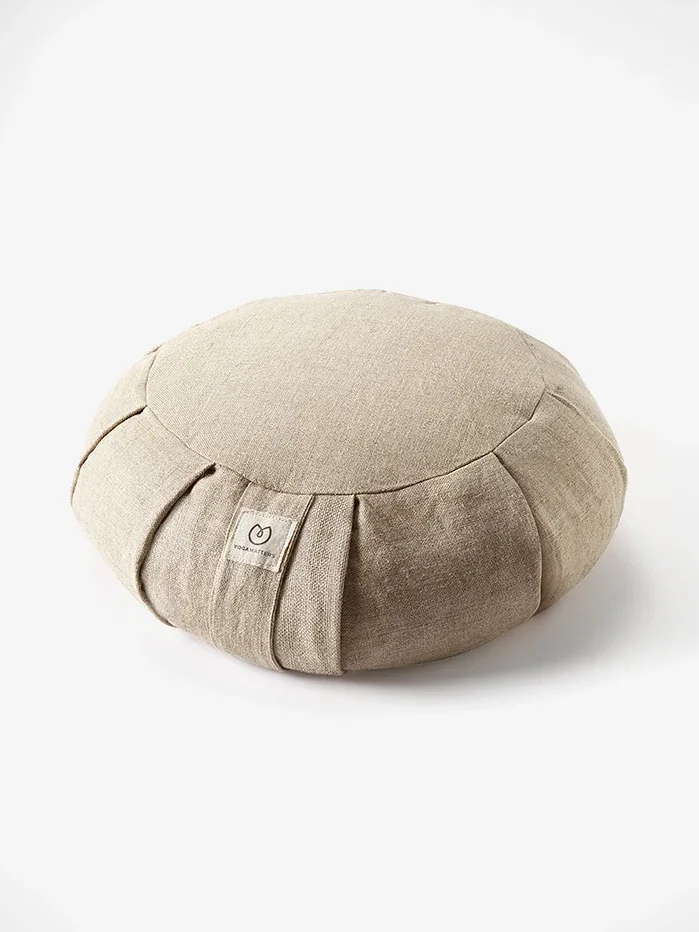
Yogamatters Hemp Buckwheat Zafu Meditation Cushion
A taller buckwheat option with a hemp cover. Choose it over the cotton cushion when seat height matters more to you than a removable cover.
Benefits & things to consider
Best for
A taller starting height with fill you can remove.
Main drawback
The cover is not removable; spot cleaning only.
Why consider it
- Adjust the filling through the concealed zip.
- Hemp outer fabric with a carry handle.
Before you buy
- Compare the 18 cm height with the cotton option’s 14 cm.
- Check the selected colour, seller and returns.
Yogamatters · source checked 10 September 2026.
Check latest price on Amazon Explore this product ↗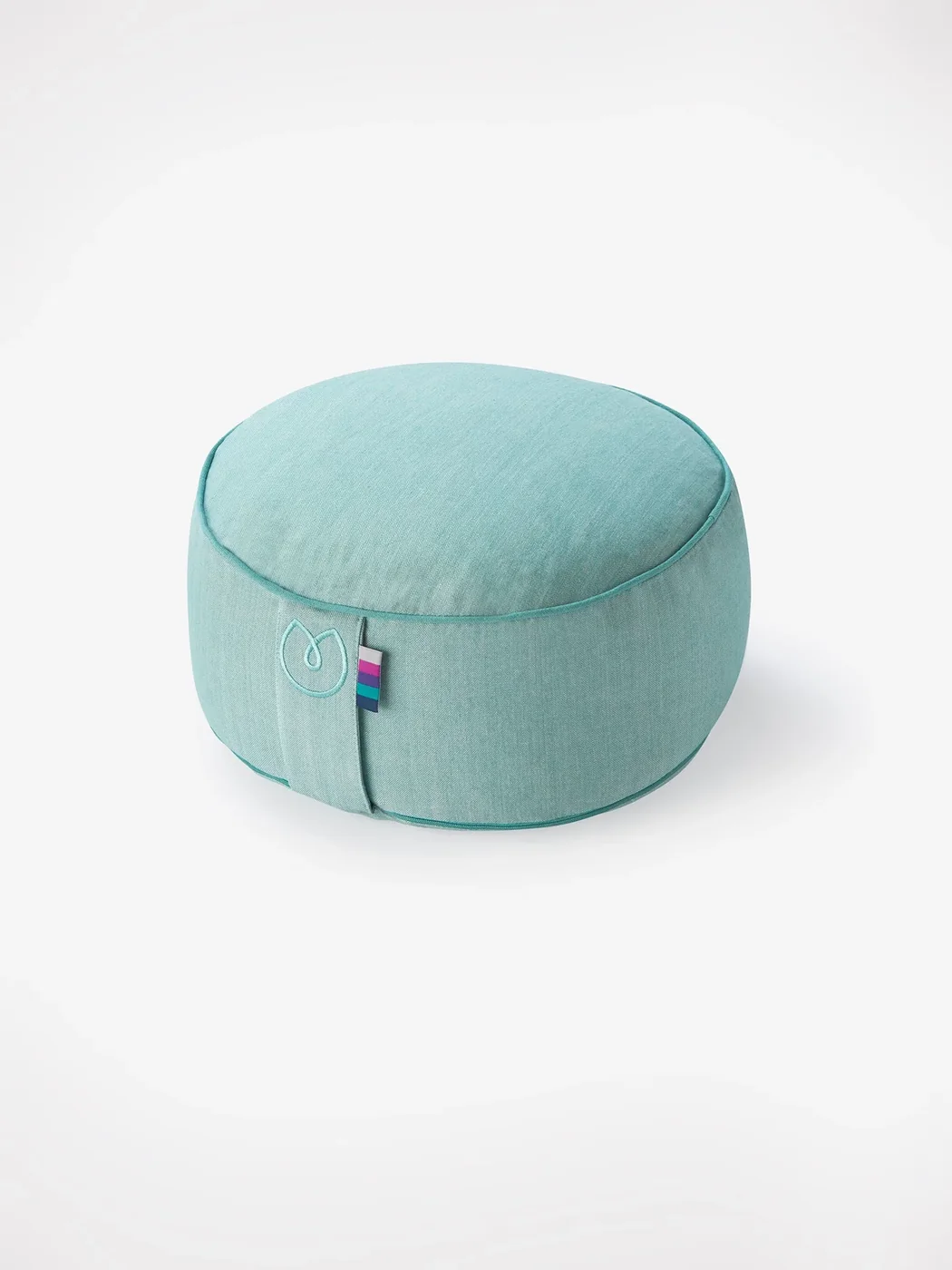
Yogamatters Organic Cotton Chambray Meditation Cushion
The practical choice if washing the cover is a priority. It starts lower than the hemp zafu, and its buckwheat filling is adjustable too.
Benefits & things to consider
Best for
A lower seat and a cover washable at 30°C.
Main drawback
May be too low if you want a taller seat.
Why consider it
- Removable cover makes routine cleaning easier.
- Organic cotton outer and a carry handle.
Before you buy
- Remove the inner cushion before washing the cover.
- The manufacturer listing showed sold out when checked; confirm retailer stock.
Yogamatters · source checked 10 September 2026.
Check latest price on Amazon Explore this product ↗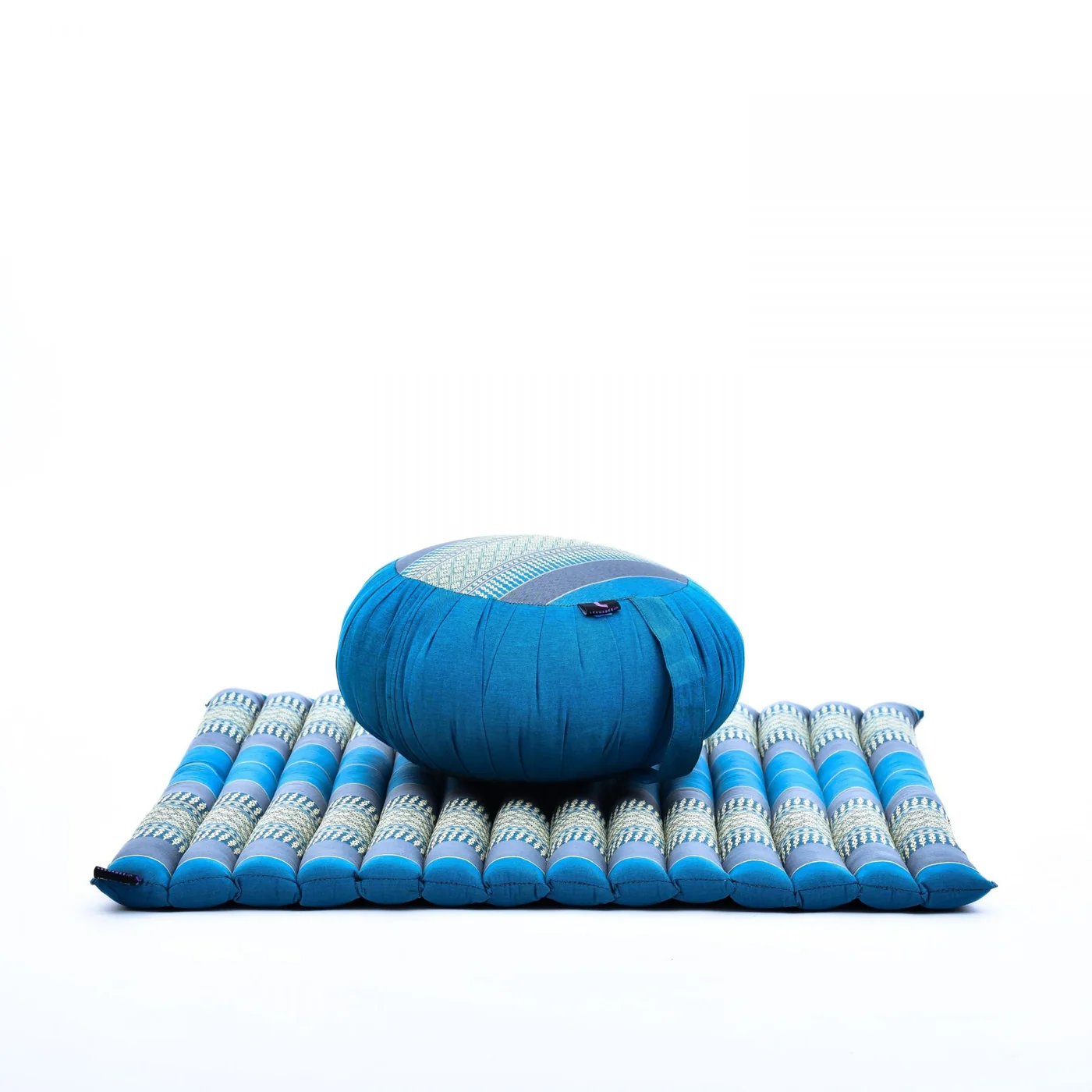
Leewadee Kapok Zafu Cushion
A kapok alternative to the two buckwheat cushions. Check the exact listing carefully: Leewadee also sells sets, and we could not confirm current specifications for this standalone model.
Benefits & things to consider
Best for
Comparing a different filling, once the exact model is confirmed.
Main drawback
Current standalone size and cover care are unverified.
Why consider it
- Leewadee’s meditation range uses kapok and cotton.
- An alternative to consider if you do not want buckwheat.
Before you buy
- Confirm the listing is a zafu, not a mat or a cushion-and-mat set.
- Check dimensions, cover care and whether filling can be adjusted before ordering.
Leewadee range · source checked 10 September 2026. Range information only; standalone specifications unconfirmed.
Check latest price on Amazon Explore this product ↗How we chose these meditation cushions
We compared published filling, seat dimensions, adjustability and cover care. The two Yogamatters product pages allow a direct comparison; Leewadee’s current range page supports a kapok alternative but does not confirm this standalone model’s dimensions.
We have not personally tested these cushions or measured their compressed height. We do not rank them by unverified comfort scores or assume that a higher price means a better fit. Manufacturer stock is separate from Amazon availability.
At a glance
| Cushion | Size / check | Filling / check | Main compromise |
|---|---|---|---|
| Yogamatters Hemp Buckwheat Zafu Meditation Cushion | 18 cm high × 33 cm diameter | Adjustable buckwheat filling | The cover is not removable; spot cleaning only. |
| Yogamatters Organic Cotton Chambray Meditation Cushion | 14 cm high × 33 cm diameter | Adjustable buckwheat filling | May be too low if you want a taller seat. |
| Leewadee Kapok Zafu Cushion | Kapok option | Confirm seat dimensions | Current standalone size and cover care are unverified. |
What to check before buying
Match the exact name and variant. Amazon links on this page open product searches, which may include other models. Confirm the cushion’s height, diameter, filling and care label before choosing a listing.
Check what is included. A zafu is the raised seat; a zabuton is the flatter mat beneath it. A set and a standalone cushion are different purchases. Compare delivery charges and the seller’s return conditions as well as the headline price.
Related comparisons
You may also want to compare our guides to the best meditation blankets , best singing bowls , best yoga mats . You can also browse the full Stillness and Clarity category.
How to choose meditation cushions
Seat height: start with fit
The quoted dimensions describe the product, not a guaranteed sitting height under your weight. Compare a cushion’s shape with your usual sitting position. Adjustable filling gives you a way to change the seat rather than commit to its original volume.
Buckwheat or kapok?
For these two Yogamatters models, buckwheat can be removed to tune the filling. Do not assume a kapok cushion offers the same access: check the individual product’s construction. Choose by the adjustment and care features you will use, rather than the filling name alone.
Cleaning can decide the purchase
If easy washing matters most, the cotton option has a clear advantage over the spot-clean hemp model. Always follow the care label for the selected variant; a washable cover does not mean the whole filled cushion can go into a washing machine.
Try the seat without forcing a posture
You do not have to sit on the floor to meditate. A comfortable chair is another option. If a seat feels wrong, change your position rather than treating discomfort as something the cushion should make you tolerate.
For an extra layer or foldable prop, see our guide to light cotton meditation blankets.
Choose between the two adjustable cushions
If you are undecided between the Yogamatters options, separate starting height from cleaning. The hemp model begins taller; the cotton model offers a removable washable cover. Both allow filling adjustments, so choose the care routine and shape you prefer rather than treating the initial height as permanent.
What to ask a seller about the kapok alternative
Ask for the exact standalone cushion dimensions, whether filling is accessible, whether the cover comes off and the care label. A photograph of a cushion-and-mat set does not establish what a standalone offer contains. Keep the Leewadee choice conditional until those details are confirmed.
Final verdict
The most useful choice here is between a taller hemp seat and a lower cotton seat with easier cover cleaning. Leewadee remains a conditional kapok alternative: verify the exact standalone listing before buying. Check stock and returns so you can choose for your own sitting routine.
Frequently asked questions
Which meditation cushion height should I choose?
Compare the quoted height with a seat you already find comfortable. The two Yogamatters cushions have different starting heights, but both allow filling adjustments. Published dimensions do not guarantee the same height when you sit on the cushion.
Can I wash a meditation cushion?
Check the care label for your exact model. A removable washable cover and a washable filled cushion are different things. Keep filling dry unless the manufacturer explicitly says otherwise.
What is the difference between a zafu and a zabuton?
A zafu is a raised meditation seat. A zabuton is the flatter mat placed underneath. Check whether a listing includes one cushion or a complete set.
Are these cushions tested by Top 3 Choices?
No. This is a research-based comparison of manufacturer information, checked on 10 September 2026. We have not measured comfort or durability through personal testing. Current specifications for the standalone Leewadee cushion remain unconfirmed.
Do the Amazon links open the exact cushion?
They open searches for the product names. Results may include alternative models, colours and sellers. Check the full product name, dimensions, filling and included items before ordering.