Updated UK buying guide
Best Yoga Mats UK: Grip, Size, Weight & Care Compared
By Tim McGregor · Updated 11 September 2026
A useful yoga mat needs to fit both your practice and your journey to class. Compare the usable area and carrying weight alongside thickness, then check how the surface should be cleaned.
Research-based comparison using manufacturer information checked 11 September 2026. We have not personally tested these products. Recommendations are editorial judgements about their published differences.
Quick answer
- lululemon The Mat 5mm Made With FSC™ Certified Rubber: for a wider practice area.
- Jade Level One Yoga Mat: for a smaller carrying load.
- Manduka PROlite Yoga Mat 4.7mm: for a choice of lengths.
A useful yoga mat needs to fit both your practice and your journey to class. Compare the usable area and carrying weight alongside thickness, then check how the surface should be cleaned.
Top 3 yoga mats compared
Choose by the job and trade-offs below. Amazon links open product searches: confirm the exact model, bundle and seller on the selected offer.
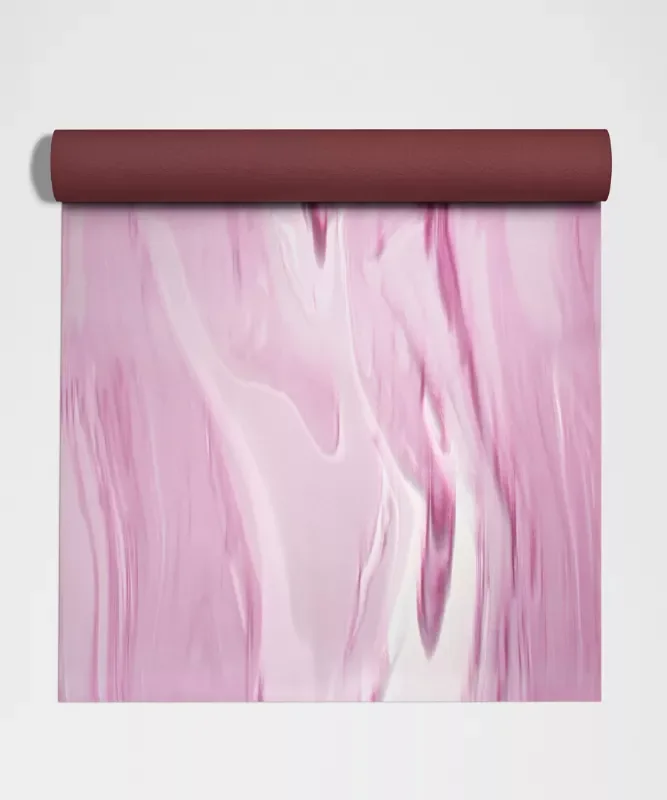
lululemon The Mat 5mm Made With FSC™ Certified Rubber
lululemon The Mat offers a wider surface than the standard Jade and Manduka options here. Its reversible construction gives two surfaces to try, but the weight is worth considering if you walk to class.
Benefits & things to consider
Consider it if
You value extra width and have room to store the mat.
Main compromise
At 2.38 kg it adds a noticeable load to a bag.
Before ordering
The manufacturer says it contains latex; check material suitability before purchase.
Manufacturer reference · checked 11 September 2026.
Check latest price on Amazon Explore this product ↗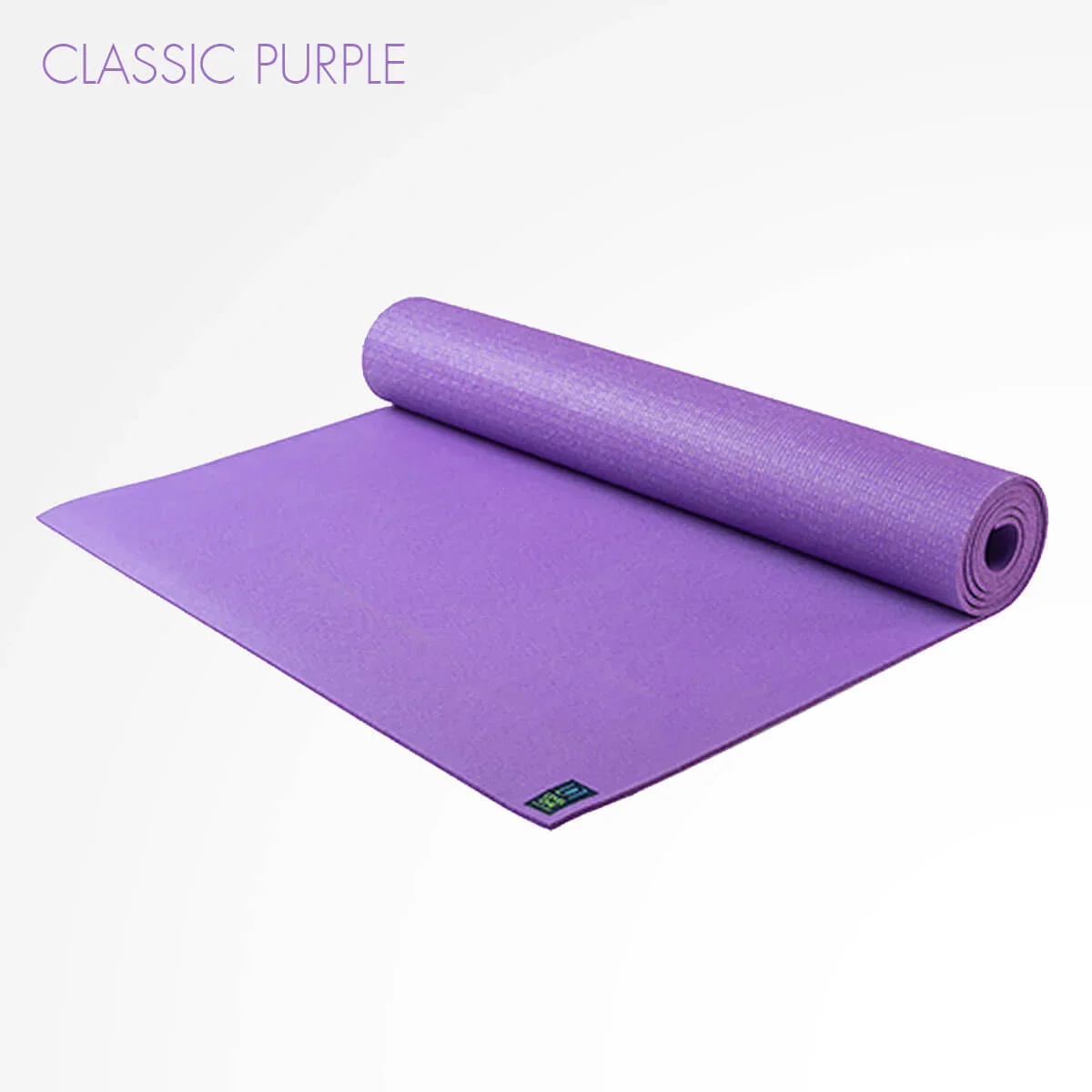
Jade Level One Yoga Mat
Jade Level One has the lowest listed weight of these three standard versions. It is also the shortest, so check whether 173 cm provides the working length you want before choosing mainly by portability.
Benefits & things to consider
Consider it if
You want a relatively lighter mat and its shorter length suits your practice.
Main compromise
Only one side is intended for use, and its care instructions need attention.
Before ordering
Jade specifies natural rubber and advises people with latex allergies to avoid it.
Manufacturer reference · checked 11 September 2026.
Check latest price on Amazon Explore this product ↗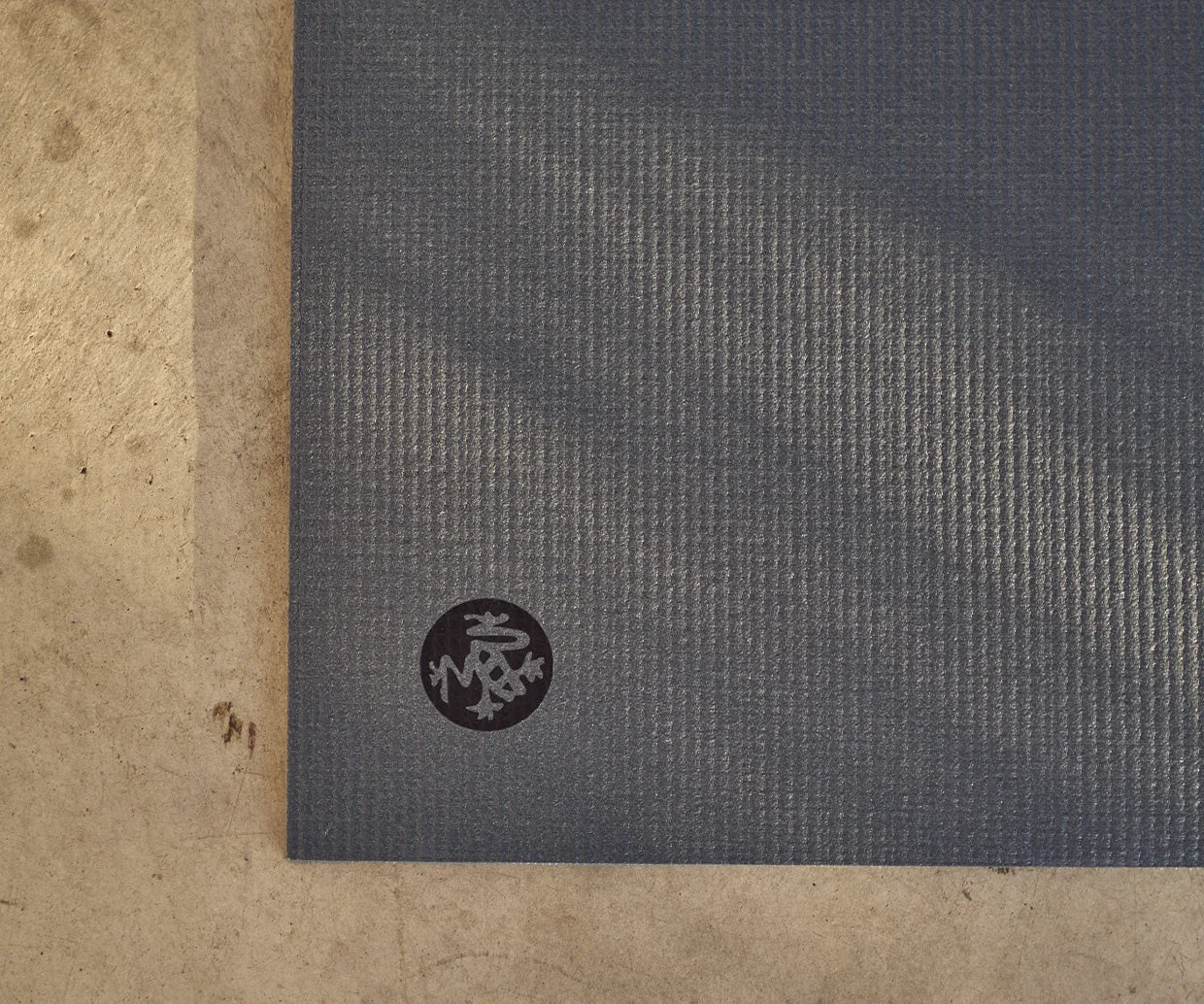
Manduka PROlite Yoga Mat 4.7mm
Manduka PROlite comes in several sizes. The UK standard version is listed at 180 × 61 cm and 2.1 kg; check the selected size rather than assuming every PROlite has those dimensions.
Benefits & things to consider
Consider it if
You want to choose between standard, short and longer versions.
Main compromise
Manduka recommends a towel for warm or sweaty practice; mat-only grip is not a promise.
Before ordering
Check the exact size and its weight in the UK listing before ordering.
Manufacturer reference · checked 11 September 2026.
Check latest price on Amazon Explore this product ↗How we chose these yoga mats
We compared the published differences that affect the buying decisions explained below: is a thicker yoga mat always better; which mat is easier to take to class; grip claims need context.
This is a focused shortlist, not an exhaustive market test. We have not measured performance or long-term reliability. The manufacturer references support specifications; our reasons to consider each product are editorial interpretations. Prices and availability depend on the selected retailer offer.
At a glance
| Product | Specification or model check | Consider it if | Compromise |
|---|---|---|---|
| lululemon The Mat 5mm Made With FSC™ Certified Rubber | 180 × 66 cm · 5 mm thick · 2.38 kg | You value extra width and have room to store the mat. | At 2.38 kg it adds a noticeable load to a bag. |
| Jade Level One Yoga Mat | 173 × 61 cm · 4 mm thick · 1.8 kg | You want a relatively lighter mat and its shorter length suits your practice. | Only one side is intended for use, and its care instructions need attention. |
| Manduka PROlite Yoga Mat 4.7mm | Standard: 180 × 61 cm · 4.7 mm thick · Standard: 2.1 kg | You want to choose between standard, short and longer versions. | Manduka recommends a towel for warm or sweaty practice; mat-only grip is not a promise. |
What to check before buying
- lululemon The Mat 5mm Made With FSC™ Certified Rubber: The manufacturer says it contains latex; check material suitability before purchase.
- Jade Level One Yoga Mat: Jade specifies natural rubber and advises people with latex allergies to avoid it.
- Manduka PROlite Yoga Mat 4.7mm: Check the exact size and its weight in the UK listing before ordering.
Related comparisons
You may also want to compare our guides to the best meditation blankets , best meditation cushions , best singing bowls . You can also browse the full Stillness and Clarity category.
How to choose yoga mats
Is a thicker yoga mat always better?
These standard mats range from 4 to 5 mm. That small thickness difference does not establish which feels best to you: material, floor and practice matter too. If kneeling comfort is your priority, compare the return terms and any separate padding you already use instead of treating millimetres as a comfort score.
Which mat is easier to take to class?
Jade’s listed 1.8 kg is 580 g lighter than lululemon’s 2.38 kg; Manduka’s UK standard is between them at 2.1 kg. Add the strap or bag and everything else you carry. Check length as well: the lighter Jade is 173 cm long, compared with 180 cm for the two standard alternatives.
Grip claims need context
We have not measured wet or dry grip. Manduka recommends a towel for sweaty sessions, while lululemon describes a moisture-absorbing top layer. Think about your usual practice rather than interpreting either description as proof of superior grip. Follow each brand’s care instructions; a cleaner approved for one surface may not suit another.
Specifications and care sources
- lululemon The Mat 5mm Made With FSC™ Certified Rubber — manufacturer information
- Jade Level One Yoga Mat — manufacturer information
- Manduka PROlite Yoga Mat 4.7mm — manufacturer information
Manufacturer information checked 11 September 2026. Follow the instructions supplied with your exact product; regional versions and bundles can differ.
Final verdict
A useful yoga mat needs to fit both your practice and your journey to class. Compare the usable area and carrying weight alongside thickness, then check how the surface should be cleaned.
Use the shortlist to narrow your choice, then confirm the specific model and its main compromise in the table before ordering. A higher specification is useful only when it serves your routine.
Frequently asked questions
Which standard mat is widest?
The lululemon version listed here is 66 cm wide. Jade Level One and standard Manduka PROlite are 61 cm wide; other Manduka sizes differ.
Are all three mats made from natural rubber?
No. lululemon and Jade use natural rubber and carry latex-related advice. Manduka describes PROlite as PVC and latex-free. Check the exact product materials.
Have you personally tested these yoga mats?
No. We researched published manufacturer information on 11 September 2026. We do not claim hands-on performance or durability testing.
Do the Amazon links open an exact product listing?
They open product searches. Results can include other models, bundles and sellers. Confirm the full model name and included items before ordering.