Updated UK buying guide
Best Blenders UK: Single Servings, Batch Size & Controls
By Tim McGregor · Updated 11 September 2026
Decide whether you normally make one drink or a batch for several people. Container shape and usable capacity matter more to that routine than choosing the blender with the biggest power number.
Research-based comparison using manufacturer information checked 11 September 2026. We have not personally tested these products. Recommendations are editorial judgements about their published differences.
Quick answer
- Braun TriForce PowerBlend 9: for a jug-blender setup.
- Nutribullet 600 Series: for a personal-cup routine.
- Vitamix A3500i: for programmed jug blending.
Decide whether you normally make one drink or a batch for several people. Container shape and usable capacity matter more to that routine than choosing the blender with the biggest power number.
Top 3 blenders compared
Choose by the job and trade-offs below. Amazon links open product searches: confirm the exact model, bundle and seller on the selected offer.
Braun TriForce PowerBlend 9
Braun PowerBlend 9 is the full-size jug option to investigate alongside Vitamix. Its stated power is a specification, not proof of smoother results than the other models.
Benefits & things to consider
Consider it if
You want a countertop jug format for your regular recipes.
Main compromise
The motor rating alone cannot tell you blend quality, noise or durability.
Before ordering
Match JB9040 and check the supplied jug, lid and recipe limits in the manual.
Manufacturer reference · checked 11 September 2026.
Check latest price on Amazon Explore this product ↗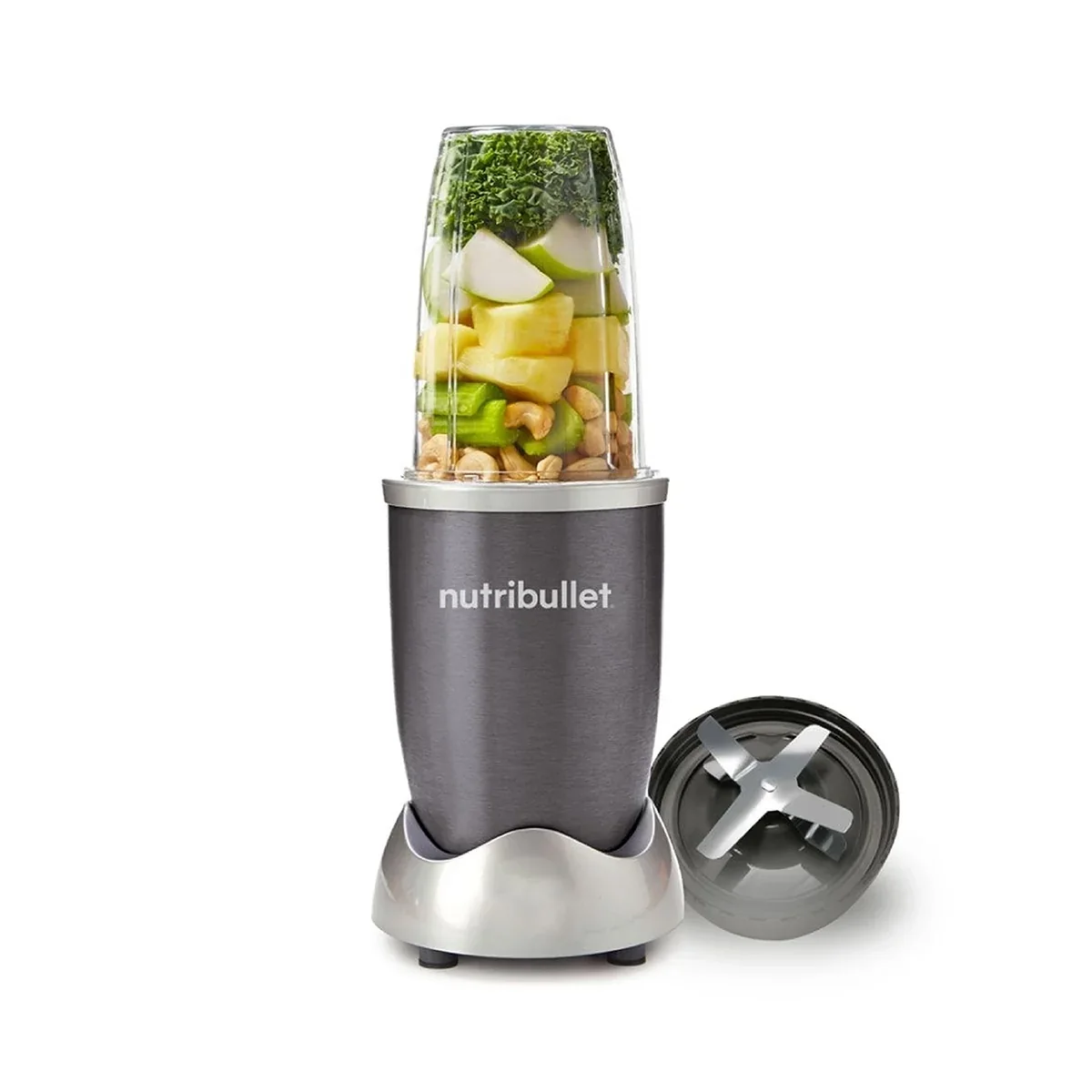
Nutribullet 600 Series
Nutribullet 600 Series is the personal-cup alternative. It is a more relevant starting point for a single drink than buying a large jug primarily for capacity you rarely use.
Benefits & things to consider
Consider it if
You mostly prepare individual drinks and prefer a cup-based routine.
Main compromise
One personal cup is a different workflow from serving a larger batch.
Before ordering
Check the exact cup sizes, lids and permitted ingredients in your selected bundle.
Manufacturer reference · checked 11 September 2026.
Check latest price on Amazon Explore this product ↗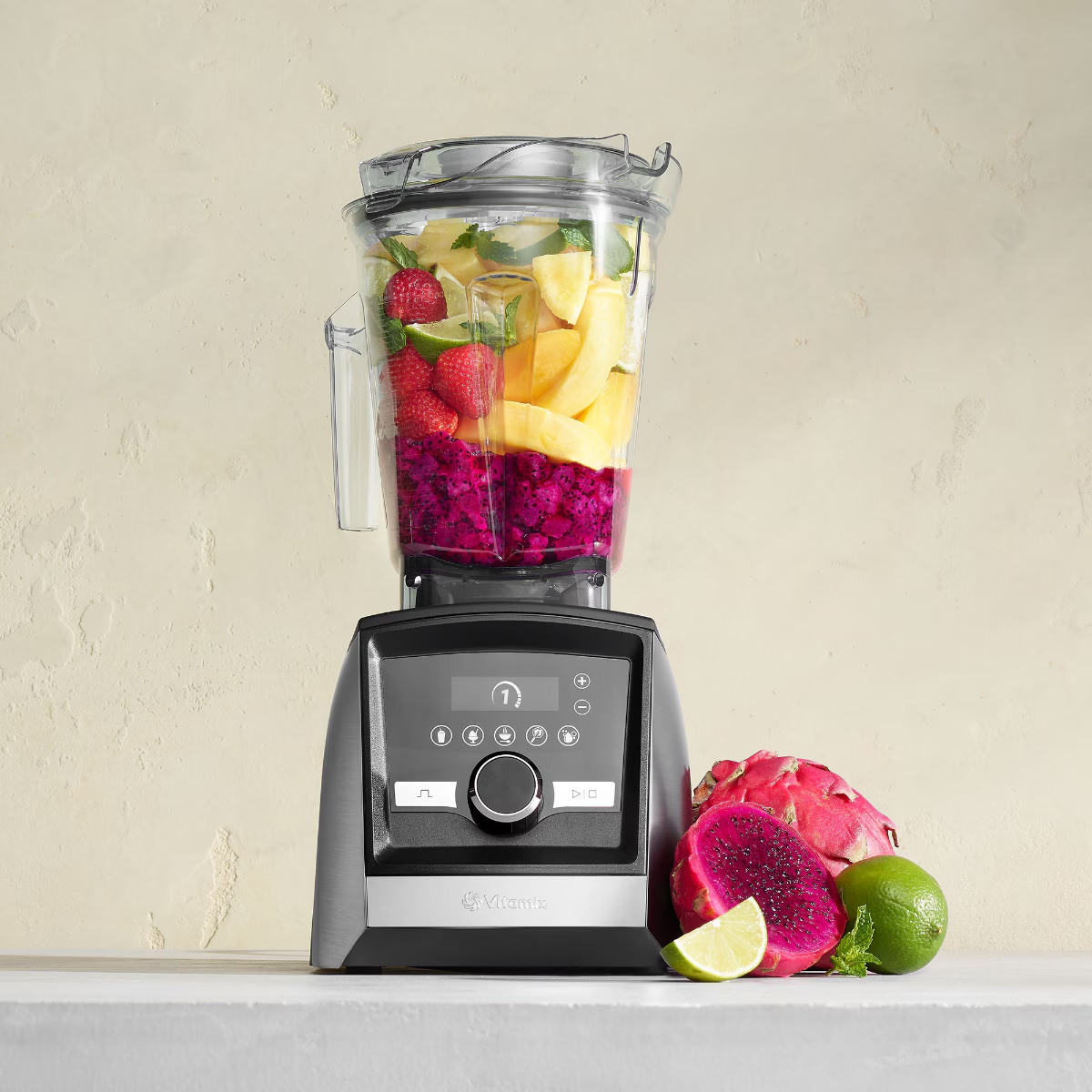
Vitamix A3500i
Vitamix A3500i combines a 2-litre jug with five programmes. Consider it if you will use its jug capacity and controls often; do not treat every Vitamix container as interchangeable.
Benefits & things to consider
Consider it if
You regularly use a larger jug and want programme controls.
Main compromise
A large nominal jug does not mean every recipe should fill it to the top.
Before ordering
Check container compatibility and the manual’s working limits for your ingredients.
Manufacturer reference · checked 11 September 2026.
Check latest price on Amazon Explore this product ↗How we chose these blenders
We compared the published differences that affect the buying decisions explained below: personal blender or a jug; do watts tell you which makes the smoothest drink; check your actual recipe and storage space.
This is a focused shortlist, not an exhaustive market test. We have not measured performance or long-term reliability. The manufacturer references support specifications; our reasons to consider each product are editorial interpretations. Prices and availability depend on the selected retailer offer.
At a glance
| Product | Specification or model check | Consider it if | Compromise |
|---|---|---|---|
| Braun TriForce PowerBlend 9 | PowerBlend 9 / JB9040 · 1,600 W stated power · Check jug working limits | You want a countertop jug format for your regular recipes. | The motor rating alone cannot tell you blend quality, noise or durability. |
| Nutribullet 600 Series | Nutribullet 600 Series · Personal-cup format · Check cup bundle | You mostly prepare individual drinks and prefer a cup-based routine. | One personal cup is a different workflow from serving a larger batch. |
| Vitamix A3500i | A3500i model · 2 L supplied jug · 5 programmes | You regularly use a larger jug and want programme controls. | A large nominal jug does not mean every recipe should fill it to the top. |
What to check before buying
- Braun TriForce PowerBlend 9: Match JB9040 and check the supplied jug, lid and recipe limits in the manual.
- Nutribullet 600 Series: Check the exact cup sizes, lids and permitted ingredients in your selected bundle.
- Vitamix A3500i: Check container compatibility and the manual’s working limits for your ingredients.
Related comparisons
You may also want to compare our guides to the best air fryers , best coffee machines . You can also browse the full Kitchen category.
How to choose blenders
Personal blender or a jug?
For a single breakfast drink, compare the cup-based Nutribullet routine with pouring from and washing a jug. For multiple servings, check the usable amount in one batch and whether you are happy repeating a cycle. A bigger jug may be unnecessary if you normally make one small portion.
Do watts tell you which makes the smoothest drink?
No. We have not measured texture, noise or blending time. Container design, ingredients and preparation also matter. Treat published power as an electrical specification and programme lists as controls, rather than converting them into unsupported performance rankings.
Check your actual recipe and storage space
Read the manual for the exact model before preparing hot mixtures, frozen ingredients or thick recipes; do not transfer permissions between different container formats. Check maximum-fill guidance and where you will store the jug, cups and lids. Also look for replacement seals and containers before committing to a setup.
Specifications and care sources
- Braun TriForce PowerBlend 9 — manufacturer information
- Nutribullet 600 Series — manufacturer information
- Vitamix A3500i — manufacturer information
Manufacturer information checked 11 September 2026. Follow the instructions supplied with your exact product; regional versions and bundles can differ.
Final verdict
Decide whether you normally make one drink or a batch for several people. Container shape and usable capacity matter more to that routine than choosing the blender with the biggest power number.
Use the shortlist to narrow your choice, then confirm the specific model and its main compromise in the table before ordering. A higher specification is useful only when it serves your routine.
Frequently asked questions
Which is the personal-cup option here?
Nutribullet 600 Series uses a personal-cup format. Check the cup sizes and lids included in the particular offer.
Can a 2 L jug always process 2 L of any recipe?
No. The working limit depends on the model and recipe. Follow the manufacturer’s fill limits and ingredient instructions.
Have you personally tested these blenders?
No. We researched published manufacturer information on 11 September 2026. We do not claim hands-on performance or durability testing.
Do the Amazon links open an exact product listing?
They open product searches. Results can include other models, bundles and sellers. Confirm the full model name and included items before ordering.