Updated UK buying guide
Best Dehumidifiers UK: Laundry, Extraction & Costs Compared
By Tim McGregor · Updated 11 September 2026
A 20-litre label is a test-condition rating, not a promise to collect that much water in your home each day. Room temperature, humidity and how you empty the machine are more useful starting points.
Research-based comparison using manufacturer information checked 11 September 2026. We have not personally tested these products. Recommendations are editorial judgements about their published differences.
Quick answer
- MeacoDry Arete Two 20L: for detailed performance data.
- Pro Breeze 20L Dehumidifier: for a larger water tank.
- De’Longhi Tasciugo AriaDry Multi DEX212SF: for a lower nominal rating.
A 20-litre label is a test-condition rating, not a promise to collect that much water in your home each day. Room temperature, humidity and how you empty the machine are more useful starting points.
Top 3 dehumidifiers compared
Choose by the job and trade-offs below. Amazon links open product searches: confirm the exact model, bundle and seller on the selected offer.
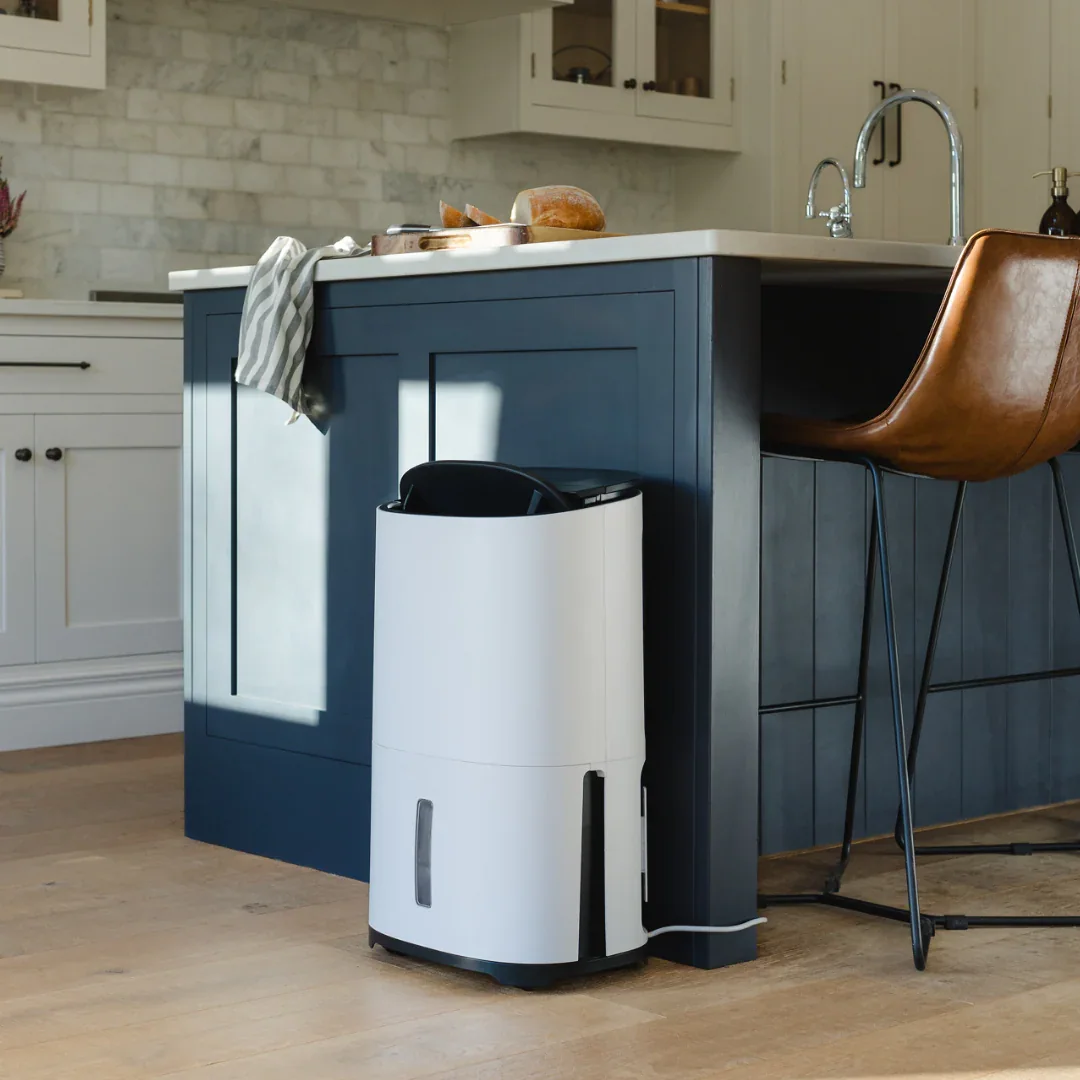
MeacoDry Arete Two 20L
Meaco Arete Two publishes extraction and power figures for several conditions. That makes it easier to judge the gap between a headline rating and a more moderate room environment.
Benefits & things to consider
Consider it if
You want published condition-specific figures and remote controls.
Main compromise
Actual extraction still depends on the room; the headline rating is not a daily target.
Before ordering
Compare the table at conditions closest to your room, then plan drainage.
Manufacturer reference · checked 11 September 2026.
Check latest price on Amazon Explore this product ↗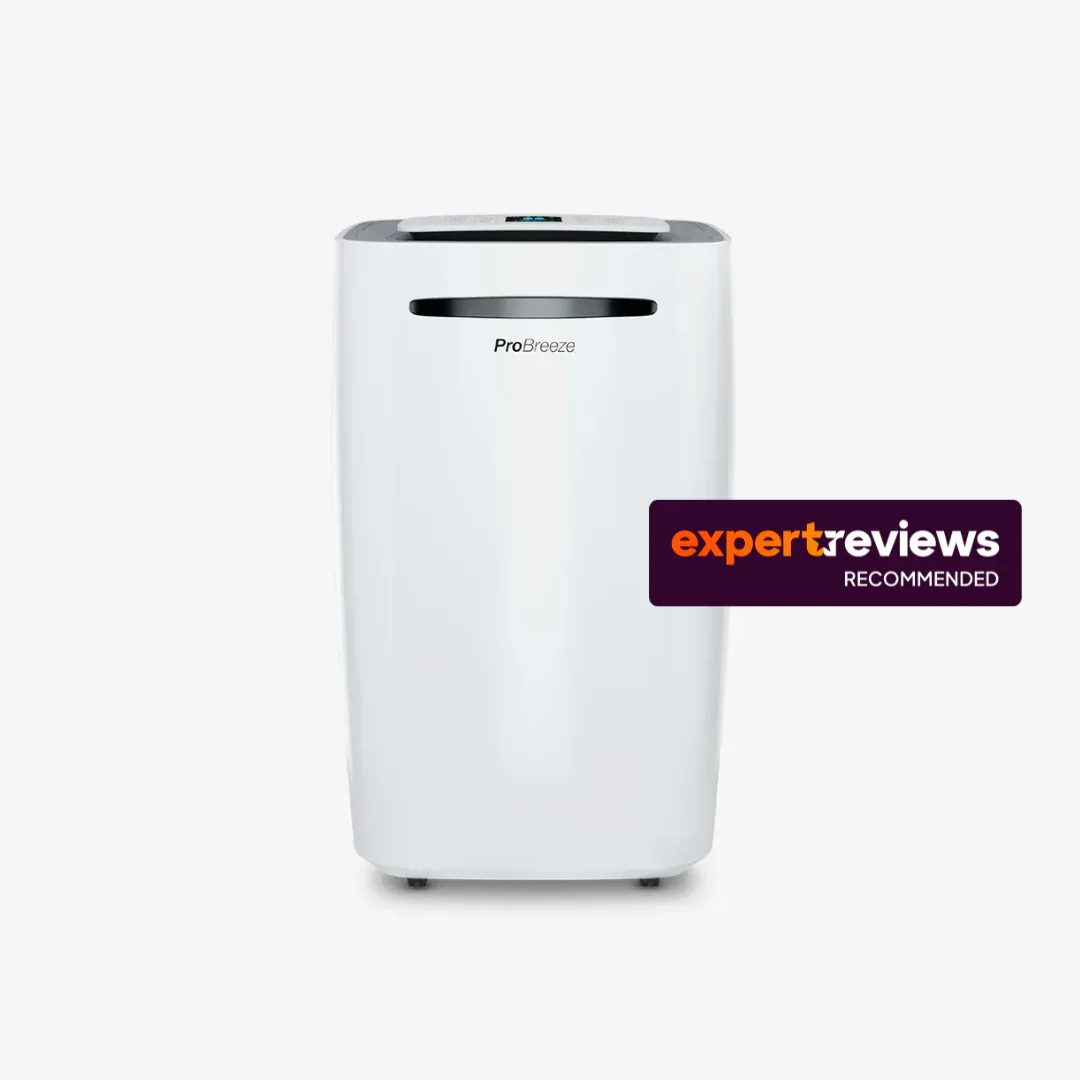
Pro Breeze 20L Dehumidifier
This Pro Breeze version combines a 5.5-litre tank with a laundry mode and supplied drainage hose. Its tank capacity is useful when deciding how often you are willing to empty collected water.
Benefits & things to consider
Consider it if
You want a larger tank and a hose option for a suitable drainage setup.
Main compromise
A large tank does not mean faster extraction or quieter operation.
Before ordering
Match the exact 20 L model: Pro Breeze sells more than one dehumidifier.
Manufacturer reference · checked 11 September 2026.
Check latest price on Amazon Explore this product ↗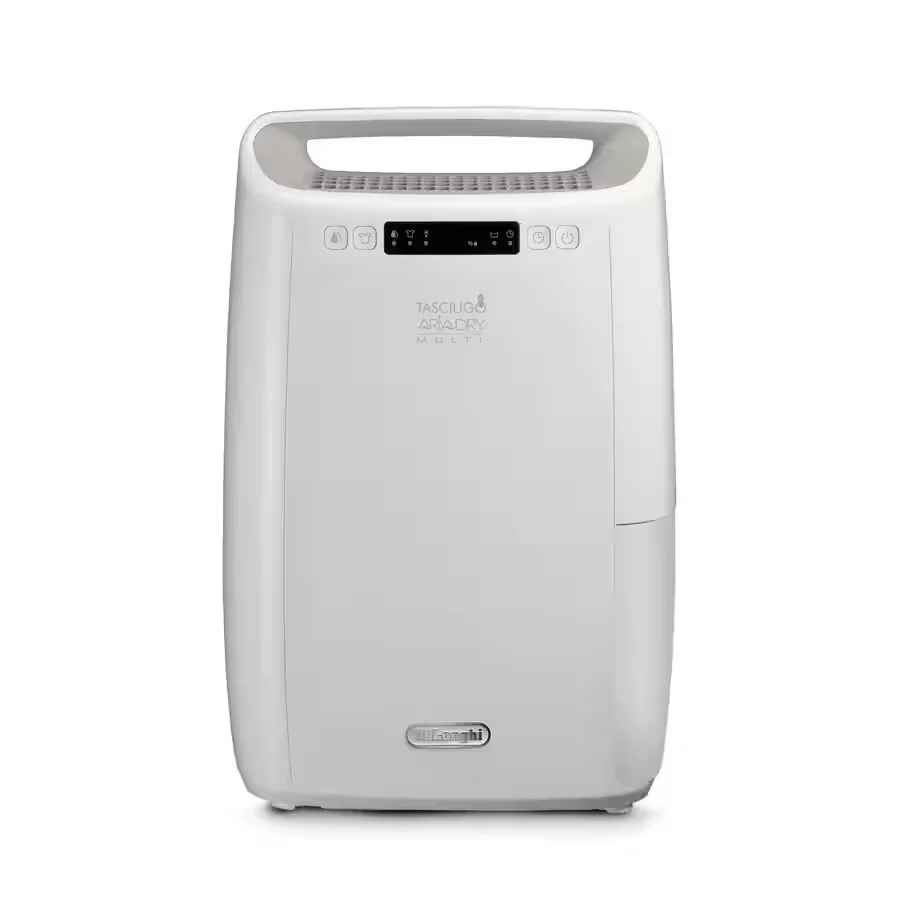
De’Longhi Tasciugo AriaDry Multi DEX212SF
De’Longhi DEX212SF is the lower nominal-extraction option here. Use it as a different capacity class to investigate, rather than assuming it will be quieter or cheaper to run from the litre number alone.
Benefits & things to consider
Consider it if
You are comparing a 12 L class machine with the two 20 L options.
Main compromise
The rating alone does not establish suitability for a particular room size.
Before ordering
Read the DEX212SF manual for temperature limits, drainage and tank details.
Manufacturer reference · checked 11 September 2026.
Check latest price on Amazon Explore this product ↗How we chose these dehumidifiers
We compared the published differences that affect the buying decisions explained below: what does 20 litres per day really mean; how do you estimate running cost; laundry room or a cold spare room; start with the source of moisture.
This is a focused shortlist, not an exhaustive market test. We have not measured performance or long-term reliability. The manufacturer references support specifications; our reasons to consider each product are editorial interpretations. Prices and availability depend on the selected retailer offer.
At a glance
| Product | Specification or model check | Consider it if | Compromise |
|---|---|---|---|
| MeacoDry Arete Two 20L | 20 L class · 8.5 L/day at 20°C, 60% RH · App controls | You want published condition-specific figures and remote controls. | Actual extraction still depends on the room; the headline rating is not a daily target. |
| Pro Breeze 20L Dehumidifier | Up to 20 L/day · 5.5 L tank · Laundry mode | You want a larger tank and a hose option for a suitable drainage setup. | A large tank does not mean faster extraction or quieter operation. |
| De’Longhi Tasciugo AriaDry Multi DEX212SF | DEX212SF model · 12 L class · Check operating conditions | You are comparing a 12 L class machine with the two 20 L options. | The rating alone does not establish suitability for a particular room size. |
What to check before buying
- MeacoDry Arete Two 20L: Compare the table at conditions closest to your room, then plan drainage.
- Pro Breeze 20L Dehumidifier: Match the exact 20 L model: Pro Breeze sells more than one dehumidifier.
- De’Longhi Tasciugo AriaDry Multi DEX212SF: Read the DEX212SF manual for temperature limits, drainage and tank details.
Related comparisons
You may also want to compare our guides to the best fans , best portable heaters . You can also browse the full Home Comfort category.
How to choose dehumidifiers
What does 20 litres per day really mean?
Meaco lists 20.45 L/day at 30°C and 80% relative humidity, but 8.50 L/day at 20°C and 60%, and 3.35 L/day at 10°C and 60%. Those are manufacturer figures for one machine, not measurements of your home or directly comparable figures for the other two models.
How do you estimate running cost?
Use input power in kW × hours running × your electricity rate. For an illustration, Meaco’s published 207 W at 20°C and 60% humidity would cost about 5.2p per hour at an assumed 25p/kWh if drawing that power continuously. This is an example tariff and operating condition, not a current price or a prediction of daily cost.
Laundry room or a cold spare room?
Check the operating temperature range and performance data before using any model in a cold space. For laundry, also think about room access, where the appliance can sit and how water will be emptied. Follow the clearance and drainage instructions; do not choose by the laundry-mode label alone.
Start with the source of moisture
A dehumidifier manages collected moisture; it does not repair a leaking pipe, roof or other building defect. Understand why the room is damp before treating a bigger extraction rating as the whole solution.
Specifications and care sources
- MeacoDry Arete Two 20L — manufacturer information
- Pro Breeze 20L Dehumidifier — manufacturer information
- De’Longhi Tasciugo AriaDry Multi DEX212SF — manufacturer information
Manufacturer information checked 11 September 2026. Follow the instructions supplied with your exact product; regional versions and bundles can differ.
Final verdict
A 20-litre label is a test-condition rating, not a promise to collect that much water in your home each day. Room temperature, humidity and how you empty the machine are more useful starting points.
Use the shortlist to narrow your choice, then confirm the specific model and its main compromise in the table before ordering. A higher specification is useful only when it serves your routine.
Frequently asked questions
Will a 20 L model collect 20 litres every day?
Not necessarily. Temperature and humidity change extraction substantially. Read the conditions attached to the published rating.
Does a bigger tank mean lower electricity use?
No. Tank capacity affects how much water can collect before emptying. Energy use depends on the appliance and operating conditions.
Have you personally tested these dehumidifiers?
No. We researched published manufacturer information on 11 September 2026. We do not claim hands-on performance or durability testing.
Do the Amazon links open an exact product listing?
They open product searches. Results can include other models, bundles and sellers. Confirm the full model name and included items before ordering.